
I build some dice holders to improve my DnD game. I’d been making some bad rolls so I built these devices to give my D20s positive or negative feedback.

Dice shrine (right) which charges up good luck.
Where there is the carrot there must be the stick – if the dice performs poorly it goes in jail (left).
Models without the D20 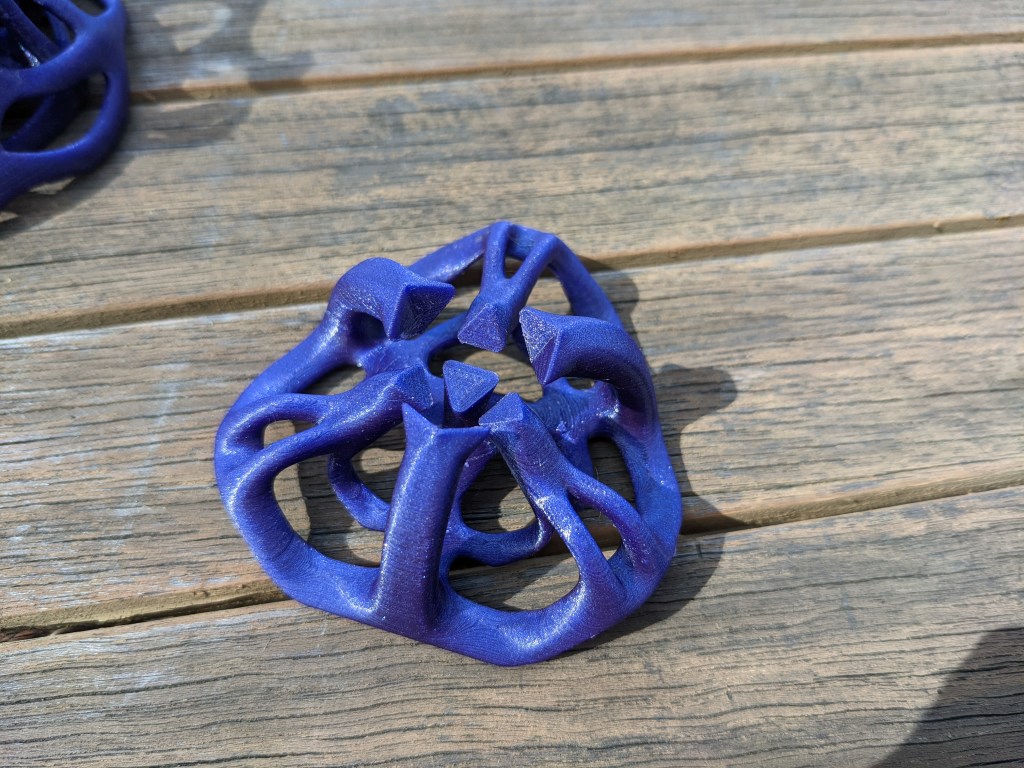
You can see the contact pads for the die. It fits in snugly and self-aligns.
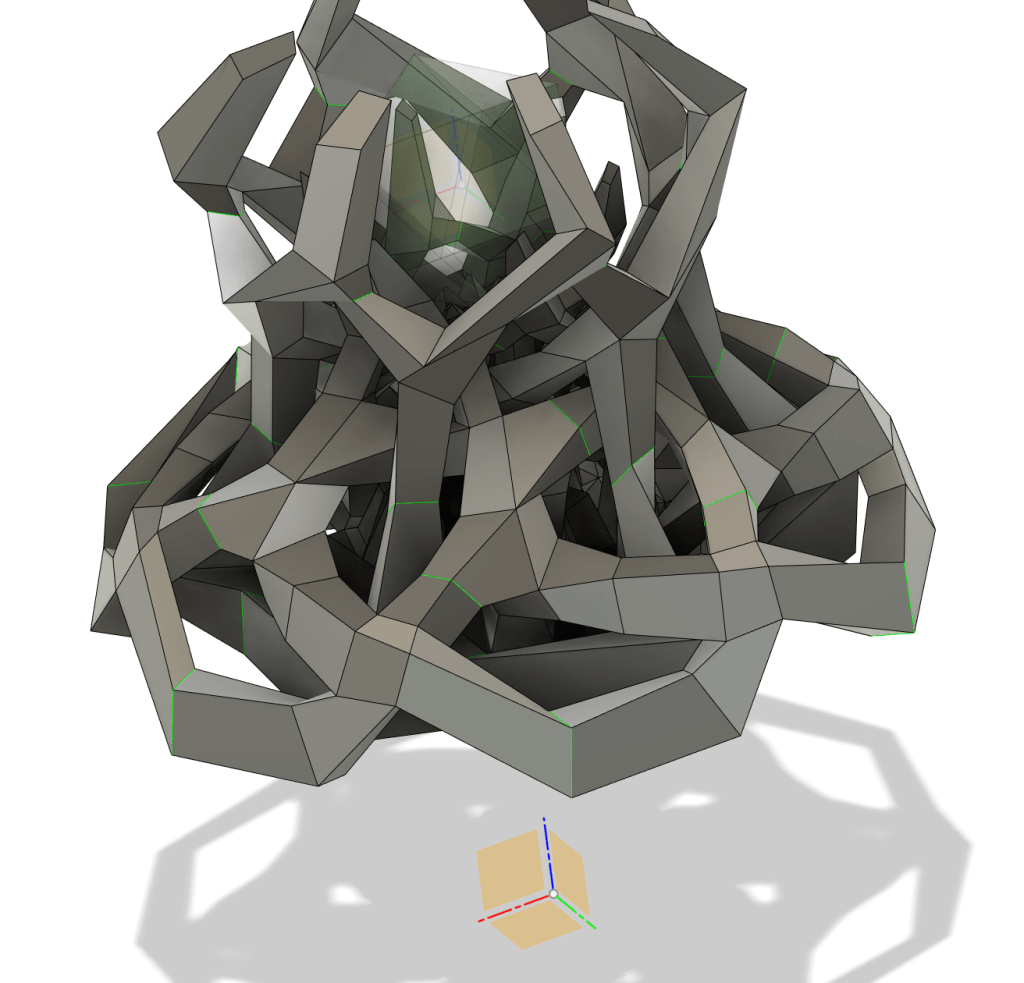
The dice shrine
I did the modeling in Fusion 360. The D20 was done using patched sketches. The holder was done with the sub-d sculpting enviornment and lofting.
I wanted to do most of the work in the sub-d environment, but I wanted to utilize both circular and mirror symmetry as much as possible. These were hard to combine, but I think I found a way to do it that wasn’t so painful.
I started by modeling a D20.

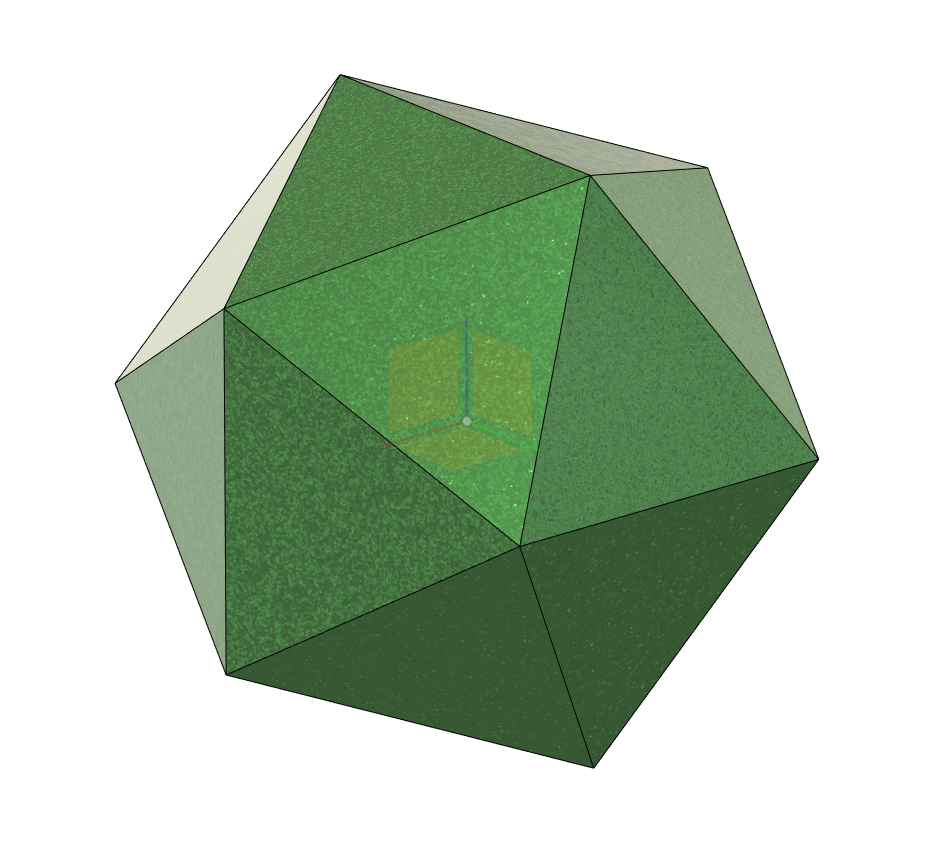
The main feature

Contact pads
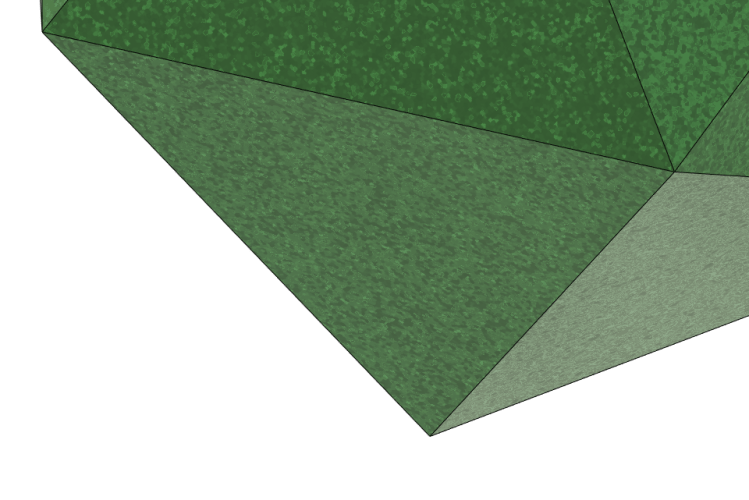
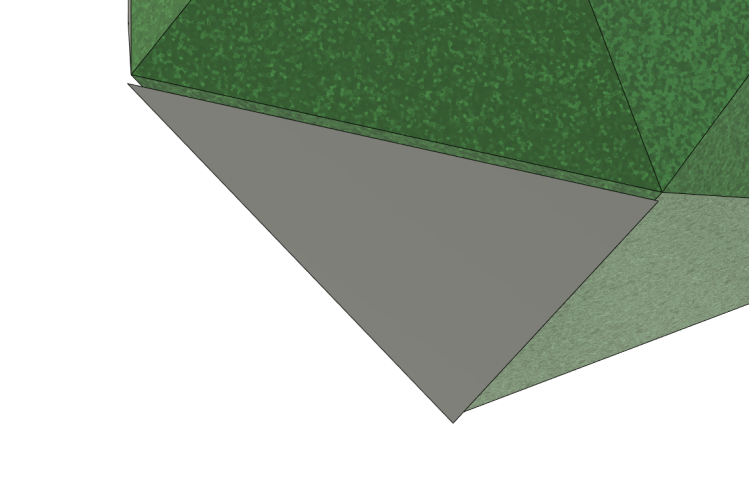
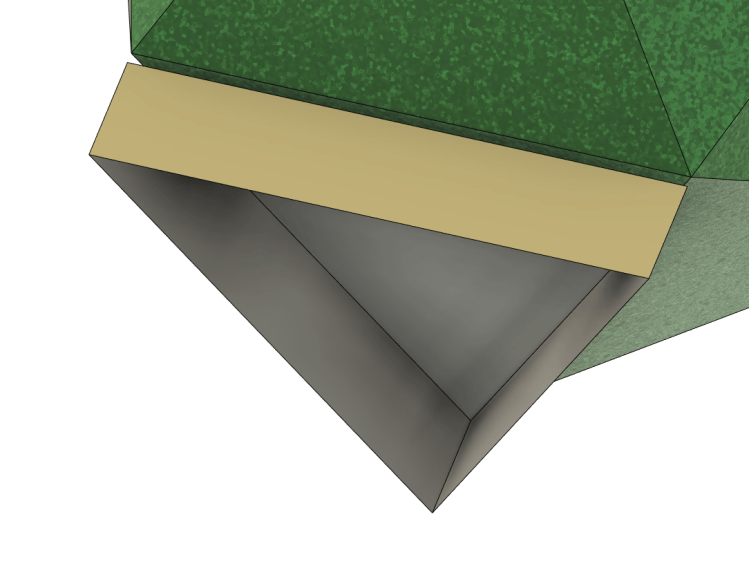


Connecting to the D20
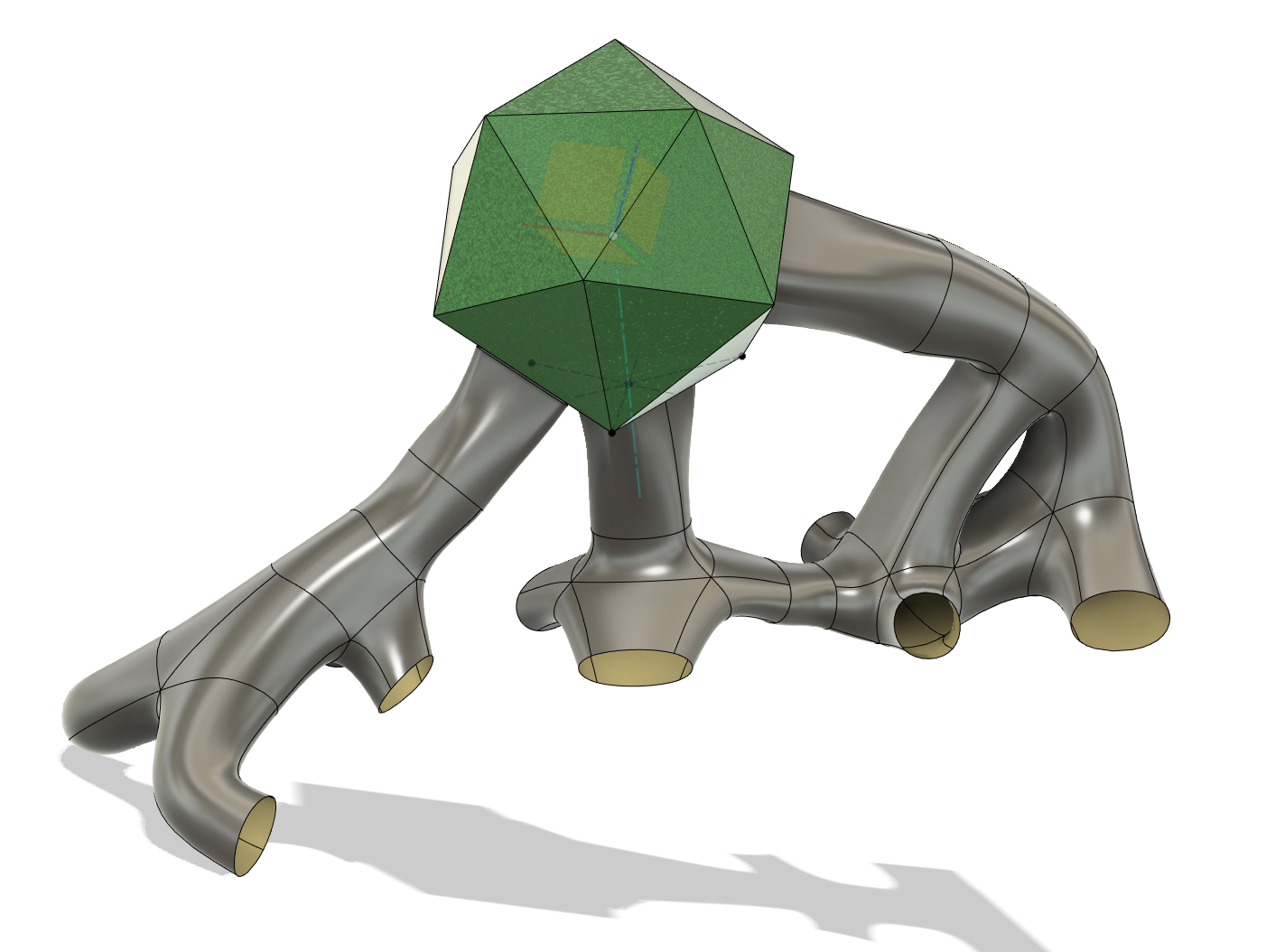
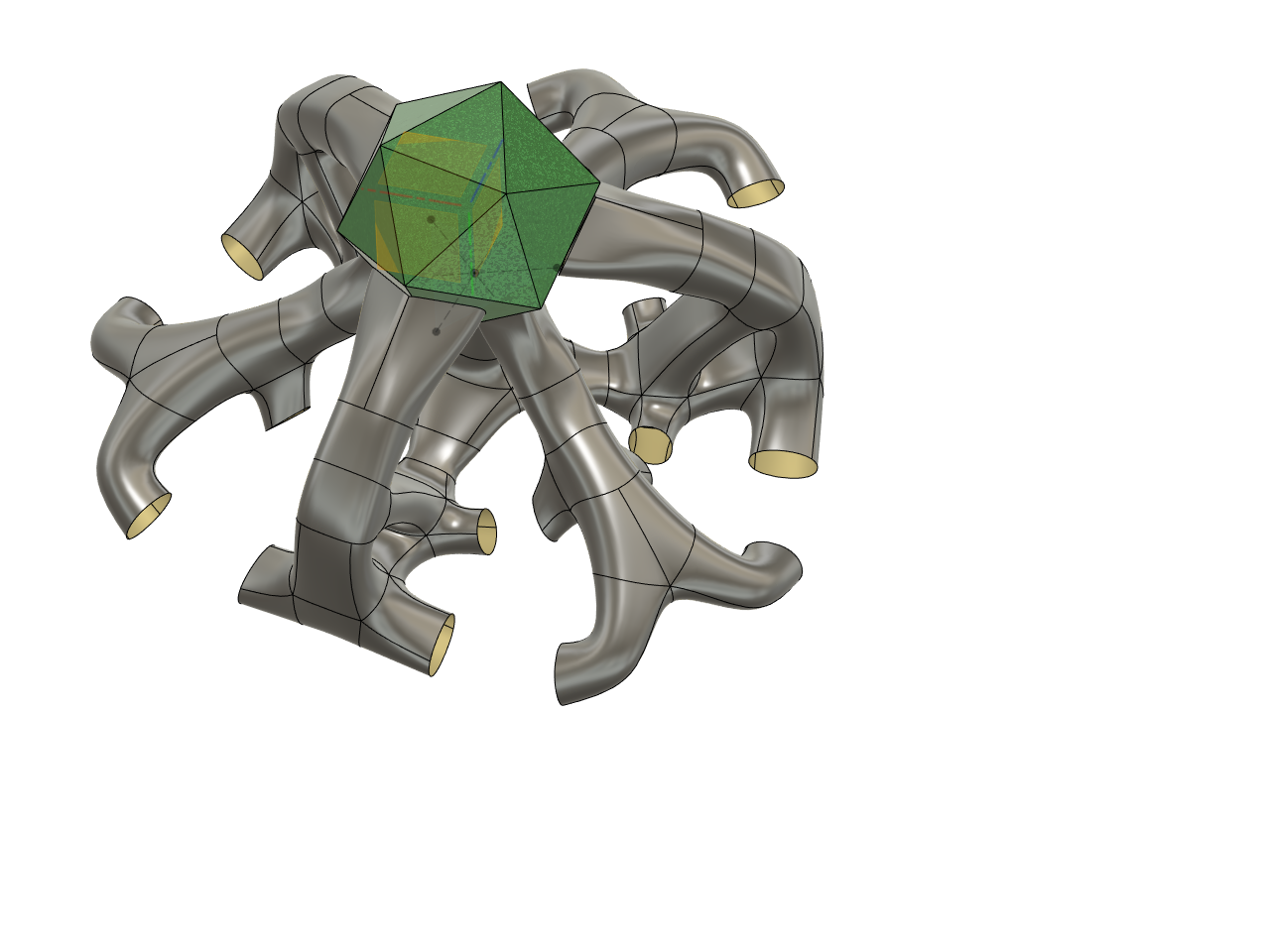


I think it worked pretty well in that I could edit most of the sculpture in the one main feature, while also having the advantage of mirror and circular symmetry in that feature. When I iterated on the design I would edit that feature, and it would look like this:

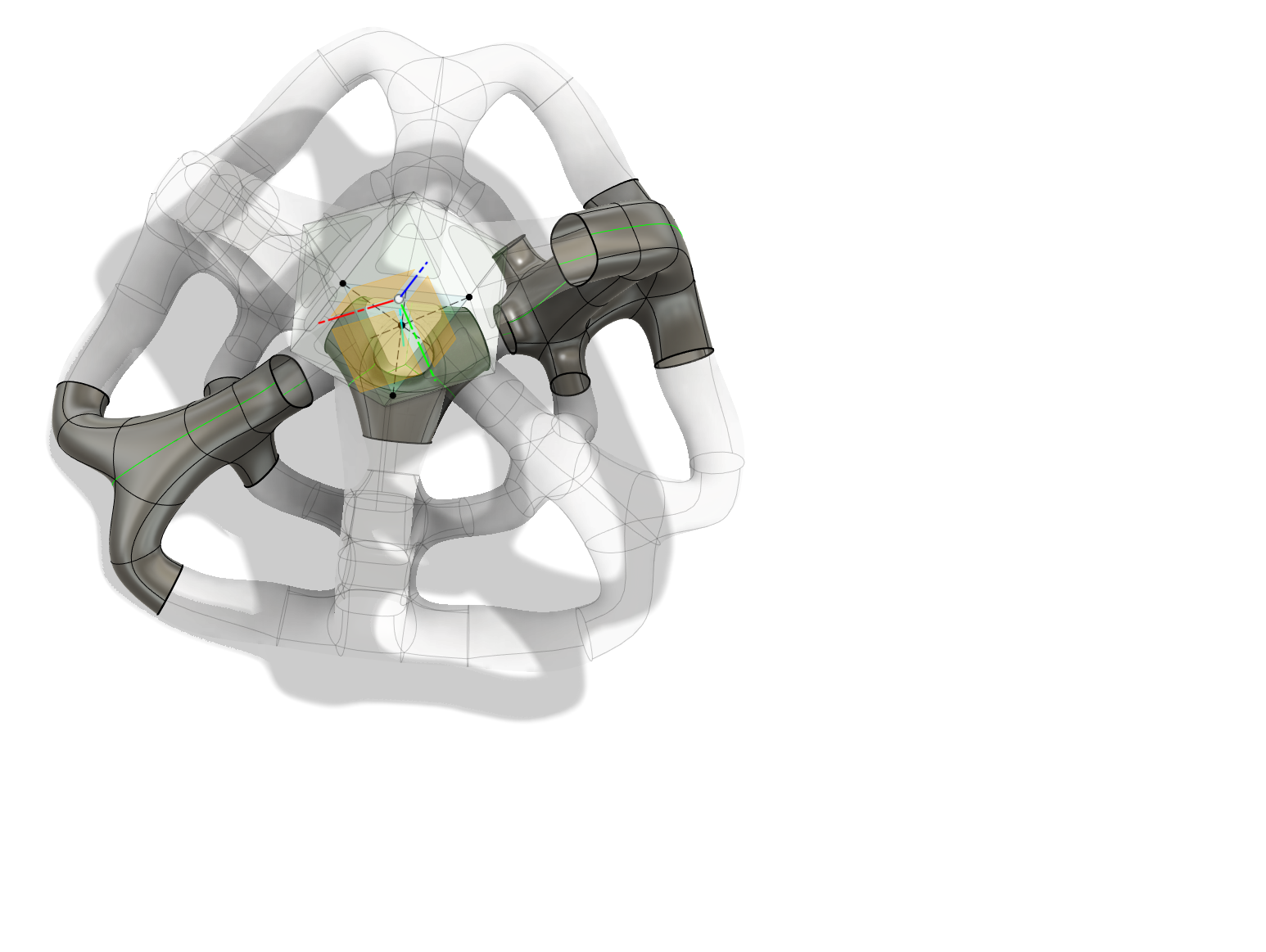
This approach took a while to find. I would be curious to hear different approaches to this problem.
The dice jail
This was almost a pure sculpt in the sub-d environment.



 Greg Horn
This is great stuff. The modelling you used here is very well done and difficult to come up with. Lot’s of learnings here for me.
LikeLiked by 1 person